Pulsatile Tinnitus: can it be treated and what does an ENT evaluation involve?
Pulsatile Tinnitus is when you hear a rhythmic sound in your ear that seems to match your heartbeat. Unlike a constant ringing it often feels like a whooshing or thumping.
Because Pulsatile Tinnitus can be linked to blood flow near the ear it deserves a more targeted work-up than many other ear noises. In this article we explain what is pulsatile tinnitus in practical terms then walk through how an ENT specialist evaluates it and which advanced care options can help. We also share self-care tips for day to day comfort while you are waiting for answers.
What is pulsatile tinnitus and how is it different from non pulsatile tinnitus?
Many patients start by asking: what is pulsatile tinnitus exactly and how is it different from other tinnitus? The simplest difference is timing.
- Pulsatile Tinnitus tends to sync with the pulse and may be louder in quiet rooms.
- non pulsatile tinnitus is usually a steady tone such as ringing buzzing or hissing and often relates to hearing loss or inner-ear irritation.
This distinction matters because Pulsatile Tinnitus sometimes points to a treatable underlying cause. In contrast non pulsatile tinnitus is more often managed with hearing support sound therapy and lifestyle changes rather than a single fix.
If you want a broader overview of tinnitus types and testing you can also read what is tinnitus.
What causes pulsatile tinnitus? Understanding pulsatile tinnitus causes
Patients commonly search what causes pulsatile tinnitus because the list is wide. In clinic we group pulsatile tinnitus causes into a few categories so we can investigate efficiently.
Common categories behind pulsatile tinnitus causes
Pulsatile Tinnitus can be associated with:
- Blood vessel related issues near the ear (arteries or veins)
- Middle ear conditions that transmit internal sounds more strongly
- Pressure related conditions affecting the head and neck circulation
- Systemic factors such as significant anaemia or thyroid overactivity (your doctor decides what blood tests are appropriate)
In other words when people ask what causes pulsatile tinnitus the best answer is: it depends on whether the sound is coming from blood flow turbulence, pressure changes or sound transmission changes. A careful ENT exam helps narrow down the pulsatile tinnitus causes that fit your symptoms.
When Pulsatile Tinnitus comes and goes
Some people report pulsatile tinnitus comes and goes rather than staying constant. Pulsatile tinnitus comes and goes can happen when congestion hydration sleep posture stress or blood pressure varies across the day. It can also reflect venous flow changes which is why symptom timing is important.
If pulsatile tinnitus comes and goes it does not automatically mean it is harmless. It does mean your ENT will likely ask detailed questions about triggers and relief.
Pulsatile tinnitus when lying down
Another common clue is pulsatile tinnitus when lying down. Many patients notice pulsatile tinnitus when lying down or when turning the head on a pillow. Positional changes can alter venous return and pressure around the ear which can amplify the sound.
Bring this detail to your appointment because pulsatile tinnitus when lying down can guide which imaging or vascular evaluations are most appropriate.
Can pulsatile tinnitus be caused by earwax?
A frequent question is: can pulsatile tinnitus be caused by earwax?
In most cases earwax build-up is more associated with blockage muffled hearing and non pulsatile tinnitus. That said can pulsatile tinnitus be caused by earwax is not a silly question. If the ear canal is blocked you may perceive internal body sounds more strongly. Also wax can hide middle ear findings that your ENT needs to examine.
So while can pulsatile tinnitus be caused by earwax is usually answered with “not commonly” it is still worth checking because safe wax removal can improve hearing comfort and make the rest of the evaluation more accurate.
Why an ENT evaluation matters for Pulsatile Tinnitus
Because Pulsatile Tinnitus may be related to vascular or structural issues you should not rely on guesswork or internet fixes. An ENT assessment focuses on two goals: identifying benign causes that can be treated simply and ruling out uncommon but significant conditions.
Seek urgent medical attention if Pulsatile Tinnitus is new and you also have any of the following:
- Sudden hearing loss or rapidly worsening hearing in one ear
- New severe headache fainting weakness or visual changes
- A history of head or neck trauma
- A persistent one-sided pulsating sound with worsening intensity
If you are looking for a structured evaluation pathway at an ENT Clinic in Dubai the team at Ascent ENT Speciality Centre can guide you from examination to diagnostics and follow-up care.
What to expect during an ENT work-up in Dubai
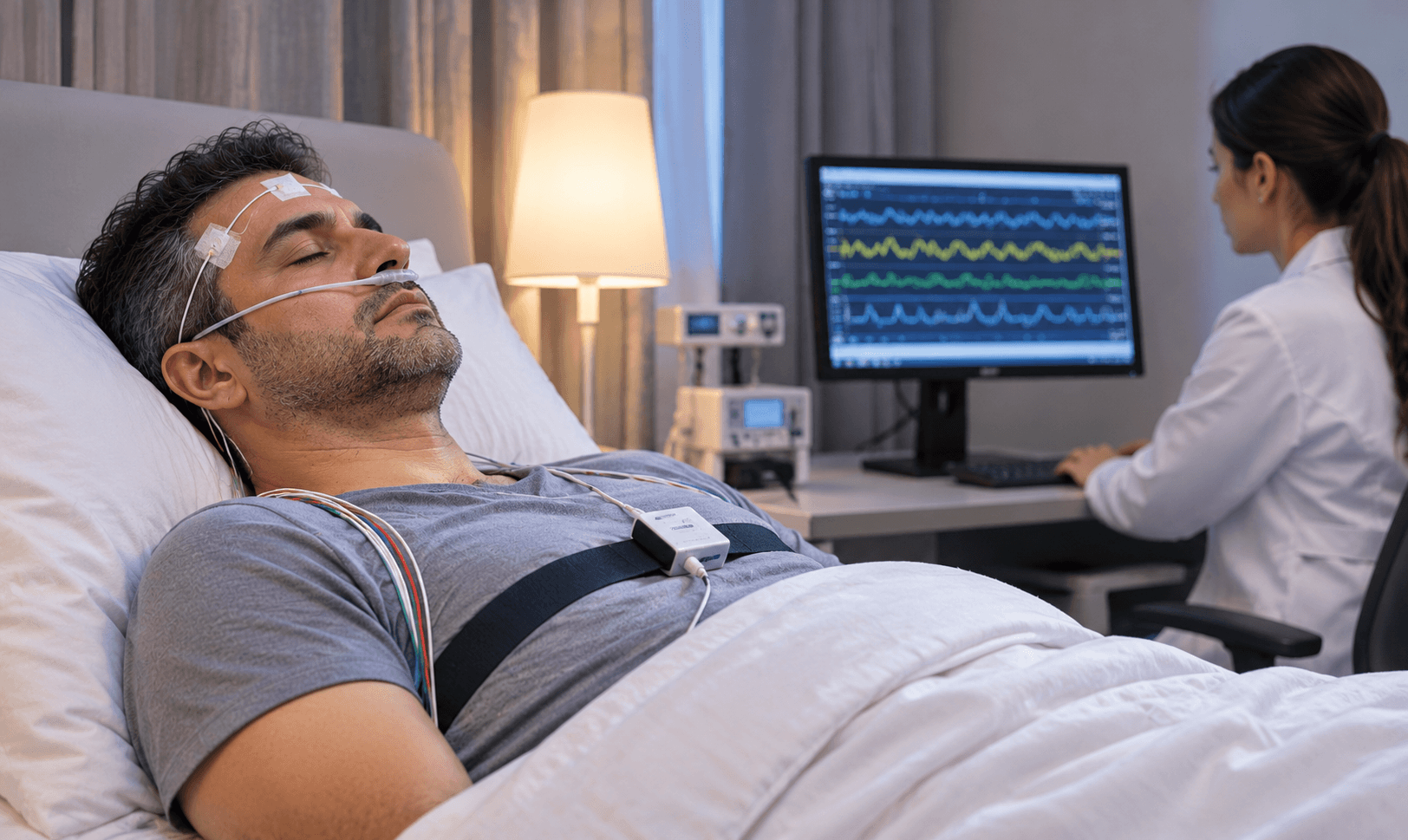
At Ascent ENT Dubai the evaluation of Pulsatile Tinnitus typically includes history a detailed ear and head and neck exam plus hearing testing. The aim is to connect your symptoms to likely pulsatile tinnitus causes in a stepwise way.
History and symptom mapping
Your clinician may ask:
- Is it constant or pulsatile tinnitus comes and goes?
- Do you notice pulsatile tinnitus when lying down?
- Is it in one ear or both?
- Do you have headaches nasal congestion neck pain dizziness or hearing changes?
- Do you feel stress spirals or pulsatile tinnitus anxiety around sleep and silence?
This is also where the difference between Pulsatile Tinnitus and non pulsatile tinnitus becomes clear.
Ear exam and audiology tests
ENT specialists may perform otoscopy and assess the eardrum and ear canal (including checking whether can pulsatile tinnitus be caused by earwax is relevant in your case). Hearing tests such as pure tone audiometry and tympanometry can be helpful depending on symptoms.
For patients seeking focused support a dedicated tinnitus pathway is available through tinnitus treatment in dubai.
Imaging and multidisciplinary assessment
If the history suggests a vascular or structural driver your ENT may recommend imaging. This can include CT of the temporal bone or MRI based studies such as MR angiography or venography. In selected cases your ENT may coordinate with radiology neurology neurosurgery or vascular specialists.
These tools help answer the big question: what causes pulsatile tinnitus in your specific situation.
Table: symptom clues, likely causes and common next steps
This table is not a diagnosis but it shows how ENT specialists translate symptoms into a safe plan.
| Symptom pattern patients describe | Possible direction to investigate | Typical ENT next step |
| Pulsatile Tinnitus that is strictly heartbeat-synced | Vascular flow related pulsatile tinnitus causes | Full ENT exam, hearing tests, targeted imaging when indicated |
| pulsatile tinnitus when lying down or with head turning | Positional venous changes, pressure related factors | Symptom mapping, imaging selection based on exam |
| pulsatile tinnitus comes and goes with congestion or exertion | Variable flow or transmission changes | Treat contributing nasal or ear conditions then reassess |
| Steady ringing that is not rhythmic (non pulsatile tinnitus) | Hearing loss related causes, noise exposure, inner ear irritation | Hearing assessment, tinnitus counselling and sound strategies |
| High distress and poor sleep with pulsatile tinnitus anxiety | Anxiety amplification of symptom perception | Reassurance, coping plan, consider CBT-style support |
Advanced care options: is there a pulsatile tinnitus cure?
Many people search for a pulsatile tinnitus cure but the honest answer is that treatment depends on cause. The encouraging news is that when the underlying driver is identified a true pulsatile tinnitus cure or near-complete resolution is possible in some cases.
Advanced care options can include:
- Treating ear and middle ear contributors: addressing infection inflammation fluid or wax when relevant (again can pulsatile tinnitus be caused by earwax is uncommon but wax can still worsen perception)
- Managing nose and sinus triggers: nasal inflammation can affect pressure and symptom awareness in some patients
- Treating systemic factors: blood tests may be considered when history suggests anaemia or thyroid contributors
- Targeted vascular management: if imaging confirms a vascular cause your ENT may coordinate referral to the appropriate specialist team for medical or procedural treatment
A key point is that a safe plan focuses on the most likely pulsatile tinnitus causes first. If your symptoms are instead closer to non pulsatile tinnitus then the best plan may be hearing optimisation sound therapy and structured counselling rather than searching for a single pulsatile tinnitus cure.
Practical tips that help while you wait for answers
While you pursue evaluation for Pulsatile Tinnitus you can often reduce symptom burden with simple steps:
- Use a bedside fan or gentle white noise to reduce silence at night
- Limit nicotine and excess caffeine if you notice they worsen pulsatile tinnitus comes and goes patterns
- Track triggers like dehydration intense workouts or nasal congestion
- Try side sleeping adjustments if pulsatile tinnitus when lying down is your main complaint
If anxiety is a major part of the experience address it directly, because pulsatile tinnitus anxiety can amplify how loud the sound feels and cause sleep disturbance.
Pulsatile tinnitus anxiety: why reassurance and coping tools matter
pulsatile tinnitus anxiety is common because the symptom feels unpredictable and personal. When patients are worried they may monitor the sound repeatedly, which increases attention and worsens distress.
A good ENT visit helps because it replaces uncertainty with a plan. If pulsatile tinnitus anxiety is affecting sleep, concentration or work, coping strategies like paced breathing structured relaxation and cognitive behavioural techniques can make a real difference alongside medical evaluation.
In many cases improving sleep routines reduces daytime awareness of symptoms, even before a definitive diagnosis is made. This is especially useful when pulsatile tinnitus comes and goes.
Conclusion: Pulsatile Tinnitus can often be improved with the right diagnosis
Pulsatile Tinnitus is a heartbeat-synced ear sound and it deserves a focused ENT evaluation. Understanding what is pulsatile tinnitus helps you separate it from non pulsatile tinnitus and gives context for common pulsatile tinnitus causes. Details like pulsatile tinnitus when lying down or when pulsatile tinnitus comes and goes are valuable clues, and concerns like pulsatile tinnitus anxiety are valid and treatable as part of a complete care plan.
If you want a structured evaluation at a clinic known as a best ENT Clinic in Dubai you can visit Ascent Dubai for comprehensive ENT and audiology support. For appointments and next steps, please contact us.
Frequently Asked Questions
What is pulsatile tinnitus and is it dangerous?
It is a heartbeat-synced sound such as whooshing or thumping. It is not always dangerous but because some causes are vascular it should be evaluated to identify the reason.
What causes pulsatile tinnitus most often?
The most common explanations are blood flow changes near the ear, pressure related factors and sound transmission changes in the middle ear. Your ENT assessment and sometimes imaging help pinpoint what causes pulsatile tinnitus in your case.
Can pulsatile tinnitus be caused by earwax or is that more typical of non pulsatile tinnitus?
Earwax is more often linked to blockage and non pulsatile tinnitus. Still some people perceive internal sounds more when the ear canal is blocked so it is worth checking.
Is there a pulsatile tinnitus cure and how do I handle pulsatile tinnitus anxiety?
A pulsatile tinnitus cure is possible in some cases when the underlying cause is treatable. For pulsatile tinnitus anxiety focus on reassurance, good sleep habits and professional support while investigations are completed.