House Dust Mite Allergy: Symptoms and Effective Treatment Options
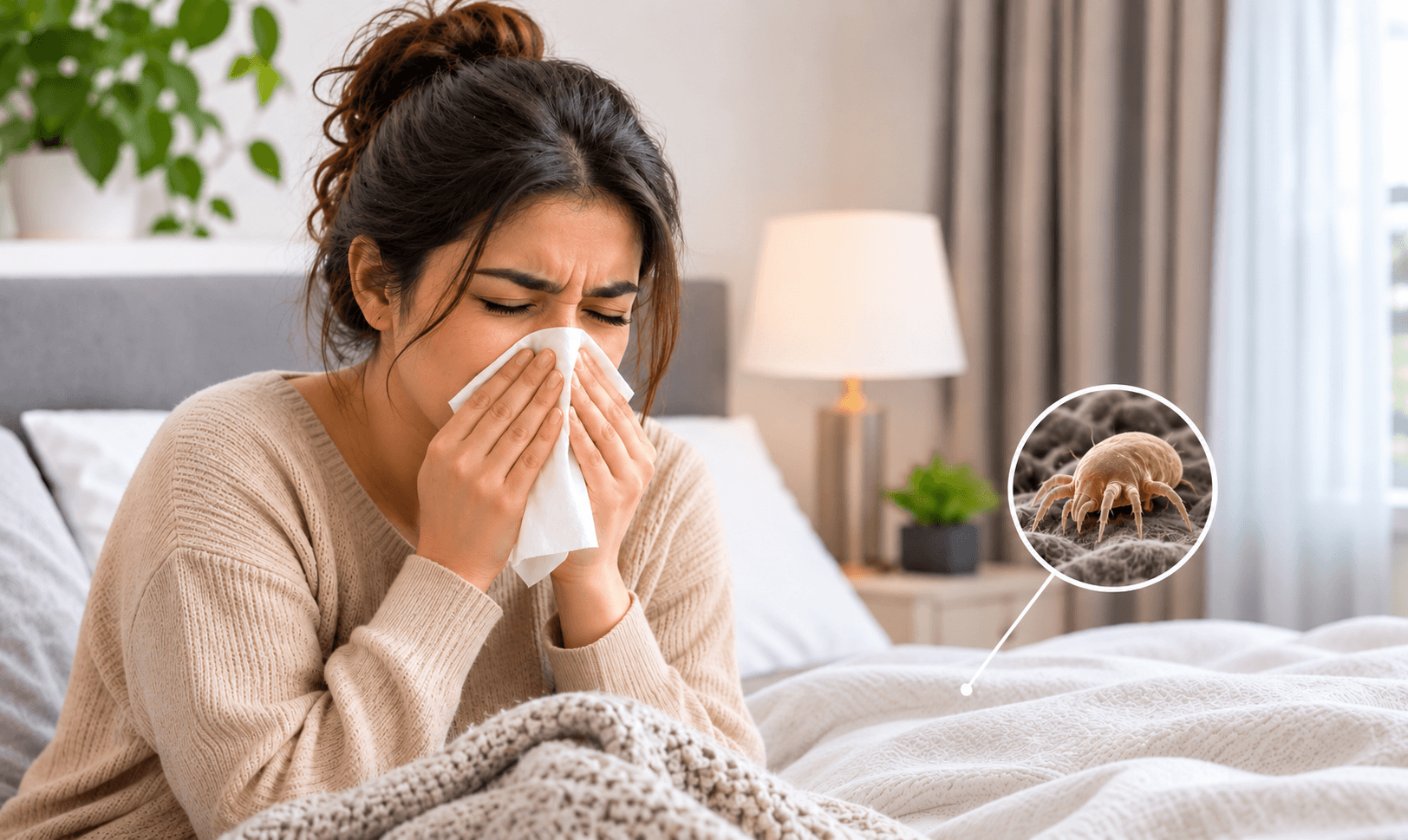
House dust mite allergy is an allergic reaction to tiny mites that live in bedding, sofas and carpets. It happens when the immune system reacts to mite proteins, which inflame the nose, eyes and sometimes the lungs.
In Dubai, house dust mite allergy is a year-round problem because mites thrive in fabric-rich interiors and micro pockets of humidity. This guide explains symptoms, how specialists confirm the diagnosis, and which treatments and home controls work best in the UAE climate. We also highlight how Ascent ENT Dubai supports patients with tailored testing and long-term relief.
Key signs and dust mite allergy symptoms
House dust mite allergy often looks like a persistent cold that never fully clears. Classic dust mite allergy symptoms include sneezing after waking, a blocked or runny nose, itchy or watery eyes, postnasal drip and a dry cough. Some people notice wheeze, chest tightness or eczema flares.
Typical clues that point to house dust mite allergy rather than infection:
- Symptoms peak in the morning or after time in bed
- Relief outside the home or when traveling
- Year-round pattern with flares after dusting or vacuuming
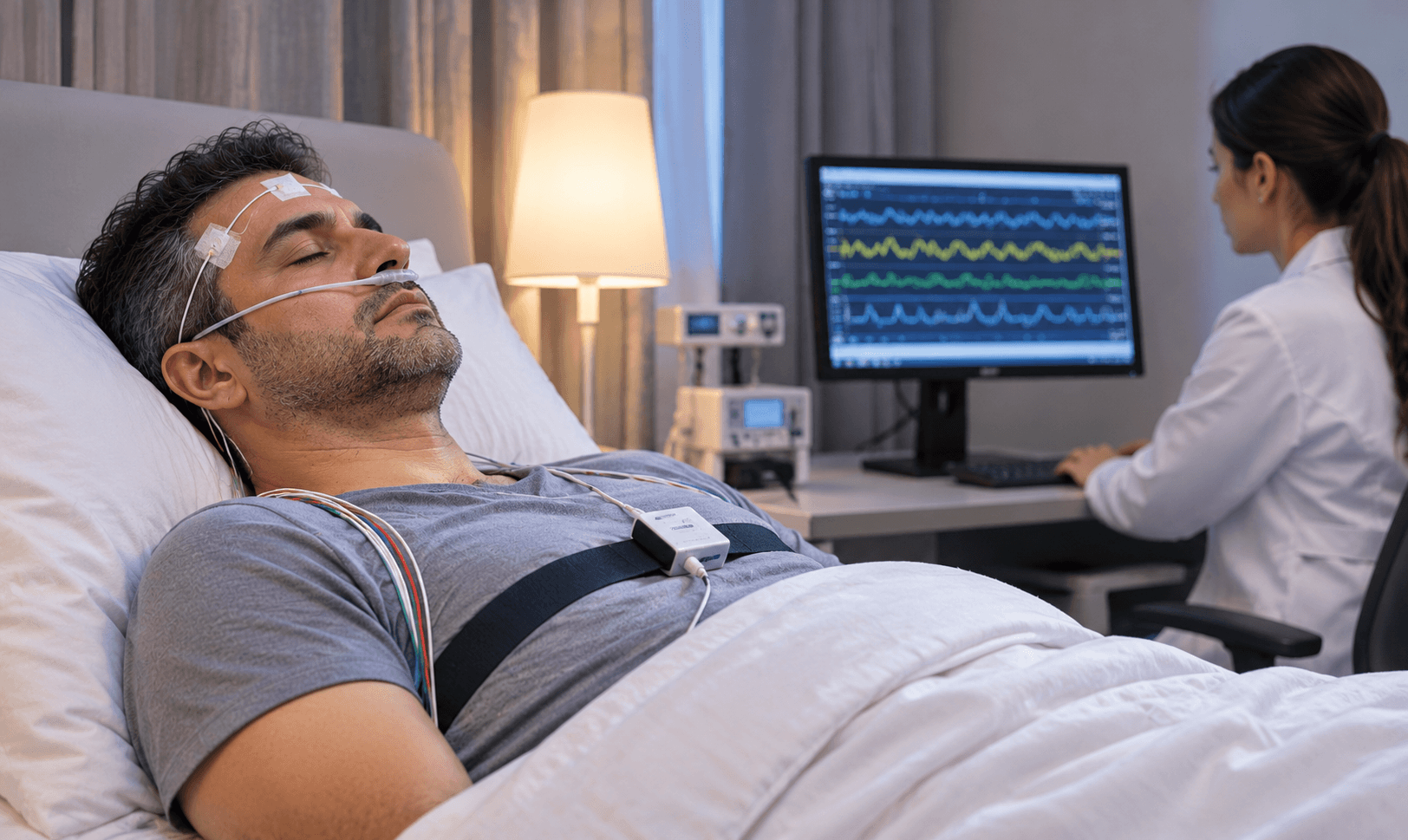
- Snoring or poor sleep quality due to nasal blockage
When to see a specialist in Dubai
Book an assessment if symptoms persist beyond 3 to 4 weeks, disrupt sleep or work, or if you have recurrent sinus infections, asthma-like symptoms or reduced smell. An experienced Ent specialist in Dubai can rule out nasal polyps, deviated septum and chronic sinusitis that may worsen house dust mite allergy.
How doctors diagnose house dust mite allergy
A specialist will take a focused history, examine the nose and throat, and may perform nasal endoscopy if obstruction or polyps are suspected. Allergy confirmation usually involves one or both of the following:
- Skin prick testing to house dust mite extracts for quick, in-clinic results. Learn what to expect with Experiencing Allergy Symptoms.
- Allergen‑specific IgE blood tests if skin testing is not suitable.
For a deeper overview of tests and next steps, explore Allergy Testing, Symptoms & Best Treatments. If you want a service overview before booking, see the clinic’s page on the best allergy testing in Dubai.
Effective treatment options that actually work
Most patients improve with a combination of trigger control and medical therapy. The best plan is tailored to your symptoms, lifestyle and coexisting conditions.
| Treatment option | What it does | Best for | Onset of relief |
| Environmental control | Reduces exposure to mite allergens through bedding encasements, hot washes, HEPA vacuuming and humidity control | Everyone with house dust mite allergy | Days to weeks |
| Second generation antihistamines | Block histamine to reduce sneezing, itch and runny nose without sedation for most people | Intermittent or mild daily symptoms | Hours |
| Intranasal corticosteroids | Calm nasal inflammation and swelling to ease blockage and drip | Moderate to severe nasal congestion | Several days with peak effect in 2 to 3 weeks |
| Antihistamine or combination nasal sprays | Fast relief for sneezing and itch, combination sprays can improve blockage more quickly | Rapid symptom control, busy professionals and students | Hours to a few days |
| Saline irrigation | Rinses allergens and mucus, supports other therapies | Postnasal drip and dryness from AC exposure | Immediate comfort |
| Allergen immunotherapy | Retrains the immune system using shots or sublingual therapy for long-term disease modification | Frequent or severe symptoms, poor response to medicines | Months, with sustained benefits over years |
If symptoms are frequent or medication dependent, ask about long-term Allergy Treatment in Dubai. Immunotherapy targets the root cause of house dust mite allergy, reducing flares and the need for daily drugs over time.
Home control strategies for Dubai living
Consistent exposure reduction is the single most important step for house dust mite allergy.
- Encase pillows, mattresses and duvets with certified allergen‑proof covers
- Wash sheets and pillowcases weekly at 60 C, use a hot dryer cycle
- Vacuum mattresses and carpets with a HEPA filter twice weekly
- Reduce fabric dust traps like heavy curtains and stuffed toys in bedrooms
- For soft toys, freeze for 24 hours then wash hot to denature allergens
- Keep indoor relative humidity near 40 to 50 percent to limit mite survival while avoiding overly dry air
- Maintain air conditioners, change filters regularly and consider a room HEPA purifier for bedrooms
- Air and sun bedding when possible
These steps lower the allergen load, which makes your medicines work better and reduces dust mite allergy symptoms across the day.
Latest trends in care for 2026
- Sublingual allergen immunotherapy tablets or drops can be an alternative to shots for selected patients with house dust mite allergy
- Combination intranasal therapies provide faster relief for congestion and sneeze in a single spray
- Smart humidity sensors and app‑connected air quality monitors help maintain mite‑unfriendly conditions
- For patients with severe allergic asthma or nasal polyps alongside house dust mite allergy, biologic therapies may be considered by multidisciplinary teams
Discuss suitability and availability with your specialist before starting new therapies.
Why choose Ascent ENT for assessment and care
At Ascent ENT Speciality Centre, patients receive integrated ENT and allergy care under one roof. The team provides structured evaluation, targeted testing and personalized treatment plans for house dust mite allergy. You can review practical selection tips in A Guide to Choosing the Best Allergy specialist in Dubai, then book with a clinician who fits your needs.
If you want a single resource that ties together testing and therapies, start with Allergy Testing, Symptoms & Best Treatments. When you are ready for disease‑modifying options, learn more about clinic‑based immunotherapy through Allergy Treatment in Dubai. Ascent ENT Dubai supports adults and children, including those with sinus problems or sleep disruption related to house dust mite allergy.
Final thoughts and next steps
House dust mite allergy is common, persistent and very treatable with the right plan. Recognizing the pattern, confirming the diagnosis and combining smart home controls with tailored therapy can restore clear breathing and better sleep.
If you are ready to take the next step, book an evaluation with Ascent ENT Speciality Centre and get a plan built for your home and lifestyle. For appointments and inquiries, please contact us.
Frequently Asked Questions
How can I tell the difference between a cold and house dust mite allergy?
A cold usually lasts 7 to 10 days and may include fever or body aches. House dust mite allergy persists for weeks, peaks in the morning and improves when you are away from the bedroom.
Do air purifiers help with dust mite allergy symptoms?
A HEPA purifier can reduce airborne particles from cleaning or vacuuming and may ease sneezing and itch. Dust mites mostly live in fabrics, so you still need encasements, hot washes and regular HEPA vacuuming.
Can house dust mite allergy trigger asthma?
Yes. Nasal inflammation and allergen exposure can worsen wheeze and cough in people with allergic asthma. Seek specialist advice if you have chest symptoms or night cough.
Is there a permanent cure for dust mite allergy?
There is no instant cure. Allergen immunotherapy can change the immune response over time and provide long‑lasting reduction in dust mite allergy treatment needs for many patients.