Does vitamin d deficiency cause weight gain describes a common health question about the link between low vitamin D and body weight. In simple terms, does vitamin d deficiency cause weight gain asks if having low vitamin D can make you gain weight or make weight loss harder.
At Ascent ENT Speciality Centre our general practitioners see this question every week. In this guide you will get a clear GP answer, the latest research, and a practical plan that fits life in Dubai. We also explain when testing helps and how to correct deficiency safely while you work on sustainable weight habits.
The short answer
So, does vitamin d deficiency cause weight gain? Current evidence shows low vitamin D is associated with higher body weight, yet the strongest genetic studies suggest higher body mass tends to lower vitamin D levels more than the reverse. Randomised trials of vitamin D supplements alone usually show little or no direct weight loss, although repleting deficiency may support energy, mood, sleep, and metabolic markers that make healthy habits easier.
Put simply, the most accurate response to does vitamin d deficiency cause weight gain is this. Deficiency by itself is unlikely to be the main driver of weight change, but fixing it supports a broader plan for metabolic health and weight control.
What the science says
| What the Science Says | Evidence Type | Key Finding | What It Means for You |
|---|---|---|---|
| Observational Studies | Population-based research | People with higher BMI often have lower vitamin D levels. | The two are linked, but these studies cannot clearly determine which causes the other. |
| Genetic Studies (Mendelian Randomisation) | Genetic analysis studies | Higher BMI appears to reduce vitamin D levels more than low vitamin D increases BMI. | Extra body fat may dilute vitamin D stores rather than vitamin D deficiency causing weight gain. |
| Randomised Trials of Supplements | Clinical trials | Vitamin D supplementation alone produces minimal weight loss on average. | Correct deficiency for overall health, but focus on balanced nutrition, exercise, and sleep for weight management. |
| Clinical Guidance | Medical recommendations | Testing and vitamin D supplementation are recommended for people at risk of deficiency. | Consult your GP for proper testing and a measured supplementation approach. |
If you came here asking does vitamin d deficiency cause weight gain, the table shows why a careful, GP-guided approach works better than expecting vitamin D to act as a weight-loss pill.
How low vitamin D could still influence weight
Even if low vitamin D is not the root cause of weight gain, deficiency can affect factors that matter for weight control.
- Energy and muscle function: Deficiency may contribute to fatigue and reduced muscle performance, which can lower daily activity and strength training consistency.
- Mood and motivation: Low vitamin D is linked with low mood in some people, which can increase comfort eating or reduce activity.
- Sleep quality: Vitamin D has roles in sleep regulation. Poor sleep raises appetite hormones and cravings the next day.
- Metabolic signalling: Secondary changes such as higher parathyroid hormone and low-grade inflammation can nudge the body toward fat storage in some contexts.
This is why the practical answer to does vitamin d deficiency cause weight gain is that it can indirectly worsen weight challenges for some people by reducing energy, mood, or sleep.
Dubai factors that raise the risk of deficiency
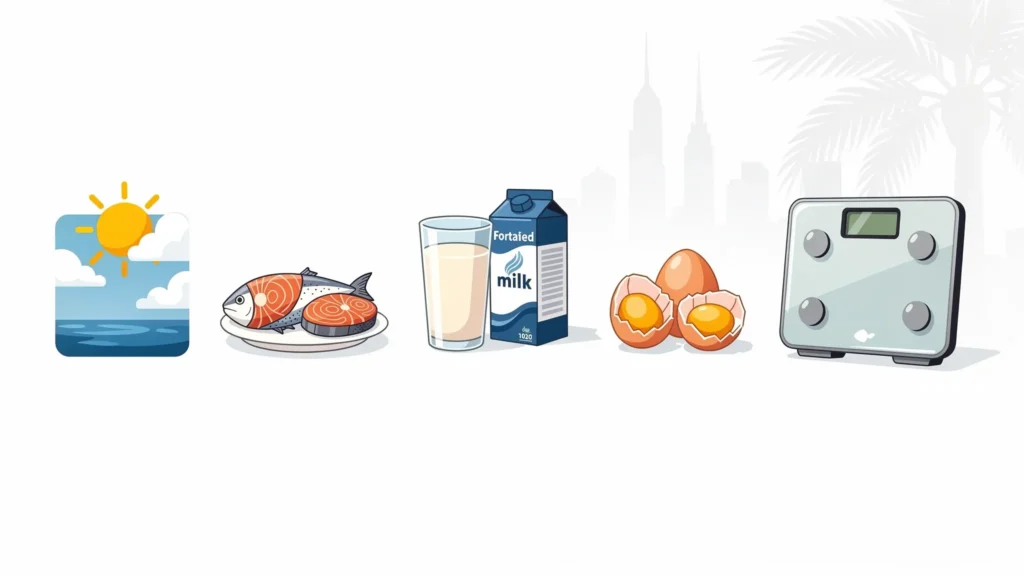
In the UAE, many people work indoors during peak daylight. Sun protection, skin coverage, air-conditioning, and dust reduce effective UVB exposure. Darker skin tones need more sun to make the same vitamin D as lighter skin. Diets without oily fish or fortified foods add to the risk. If you live in the UAE and wonder does vitamin d deficiency cause weight gain, first check your level so you know what you are dealing with.
For a streamlined assessment with comprehensive ENT and general medicine support, you can book with the Ascent ENT Speciality Centre, a leading ENT Clinic in Dubai trusted by families across the city.
A GP-led plan at Ascent ENT Dubai
At Ascent ENT Dubai our Best General Practitioner team builds a simple plan that fits your life.
- Test wisely: A 25‑hydroxyvitamin D blood test confirms status. Your GP may also review calcium, thyroid profile, HbA1c, lipids, and sleep risk if snoring or daytime sleepiness suggest sleep apnea.
- Correct deficiency: Your GP will tailor dose, form, and duration to your level, medical history, and medications, then recheck at the right interval.
- Pair with proven weight steps: Protein-forward meals, more fibre, strength training, and good sleep support fat loss.
- Fix sleep and airway issues: If snoring or blocked nose reduce sleep quality, see our Ent specialist in Dubai for targeted care.
A GP can best answer does vitamin d deficiency cause weight gain in your case by combining lab data with your symptoms and lifestyle. To get started with experienced General Practitioner at the best ENT Hospital in Dubai, arrange an appointment today.
Practical tips to improve vitamin D, then support weight management
- Smart sunlight: Short, sensible sun exposure on arms and legs several days a week outside midday heat can help, based on your skin type and safety guidance.
- Food first: Include salmon, sardines, egg yolks, mushrooms, and fortified milk or plant alternatives.
- Supplement with a plan: Test first, then follow the dose your GP recommends. Retest to confirm correction.
- Build muscle: Two to three weekly strength sessions improve insulin sensitivity and long-term calorie burn.
- Sleep rhythm: A regular sleep window improves appetite control and recovery.
These steps help answer does vitamin d deficiency cause weight gain by addressing both your vitamin D status and the habits that move weight in the right direction.
Trends to watch in 2026
- More foods fortified with vitamin D are appearing in UAE supermarkets. Check labels to top up intake.
- Wearable UV sensors and app reminders help people track safe sun exposure without guesswork.
- Integrated care: Weight programmes now often include vitamin D testing and sleep screening, because sleep apnea and low vitamin D can both drain energy.
These trends avoid overpromising on vitamin D alone, which matters if you are asking does vitamin d deficiency cause weight gain.
Key takeaways
- If your question is does vitamin d deficiency cause weight gain, the short answer is that deficiency rarely causes weight gain on its own.
- Correct deficiency for bone, muscle, mood, and sleep benefits, then focus on nutrition, training, and sleep for weight change.
- A personalised plan with an experienced GP and ENT team gives the best results. Visit our Best General Practitioner service to begin.
- Reframing the question helps. Let does vitamin d deficiency cause weight gain guide you to test and treat a common gap while you work on the proven pillars of fat loss.
For coordinated care under one roof, choose the Ascent ENT Speciality Centre in Bur Dubai, a trusted ENT Clinic in Dubai.
In summary, does vitamin d deficiency cause weight gain is a useful question, but the actionable plan is clearer. Test your level, correct deficiency safely, then focus on nutrition, movement, sleep, and any airway or sleep issues that drain your energy. For a personalised plan with GPs and ENT experts under one roof, book your visit at Ascent ENT Dubai. If you are ready to take the next step, contact us today.
Frequently Asked Questions
Will taking vitamin D make me lose weight?
Vitamin D repletion supports energy, mood, and sleep in people who are deficient. On its own it usually does not produce significant weight loss, which depends more on diet quality, activity, and sleep.
How quickly can vitamin D levels improve after starting supplements?
Levels often rise within 8 to 12 weeks, depending on your starting point, dose, diet, sun exposure, and adherence. Your GP will retest at the right time and adjust the plan.
What is the best time of day to take vitamin D?
You can take it with a meal that contains some fat to improve absorption. Morning or midday suits many people, especially if nighttime dosing unsettles sleep.
Can too much vitamin D cause problems?
Yes. Excess intake can raise calcium and lead to symptoms like nausea or kidney issues. Only supplement what your clinician recommends and avoid long high doses without follow-up testing.