SGOT and SGPT are enzymes measured in blood tests that help indicate whether liver cells are irritated or damaged. When these enzymes rise above your lab’s normal limits it can signal inflammation in the liver or sometimes stress on other tissues.
Because SGOT and SGPT can change for many reasons, this article focuses on how to read your report with context, what patterns doctors look for, and when a result needs urgent attention. You will also learn practical steps to prepare for testing and the safest next actions if SGOT and SGPT come back abnormal.
If you are in Dubai and you are unsure what your numbers mean, a timely review with a clinician is the best way to avoid unnecessary worry and catch important problems early.
Understanding SGOT and SGPT in Liver Function Blood Tests
What is SGOT and SGPT?
Many people ask, what is SGOT and SGPT on a lab report. SGOT is another name for AST (aspartate aminotransferase) and SGPT is another name for ALT (alanine aminotransferase).
SGOT and SGPT are often included in a “liver function test” panel, although these enzymes do not measure liver function directly. Instead they reflect cell injury or inflammation. ALT (SGPT) is found mainly in the liver while AST (SGOT) is found in the liver and also in muscles and other tissues.
When doctors interpret SGOT and SGPT, they usually look at:
- How high the numbers are compared with your lab’s reference limits
- Whether SGOT and SGPT rose together or one is much higher
- Other tests in the same panel (bilirubin, alkaline phosphatase, albumin and INR)
- Your symptoms, medicines and risk factors
Causes of high SGPT and SGOT (common and important)
The phrase causes of high sgpt and sgot covers a wide range of conditions. Some are temporary and some need prompt medical attention.
Common causes of high sgpt and sgot include:
- Fatty liver linked to weight gain, insulin resistance or high cholesterol
- Viral hepatitis (A, B, C) or other infections
- Alcohol-related liver injury
- Medication or supplement effects (for example some painkillers, herbal products or bodybuilding supplements)
- Gallbladder or bile duct problems (more often with raised alkaline phosphatase)
- Autoimmune liver disease (less common)
Non-liver causes can raise AST (SGOT) more than ALT (SGPT), such as intense exercise, muscle injury or thyroid disease. That is why SGOT and SGPT must be interpreted with your history.
If your result shows causes of high sgpt and sgot are possible, do not self-diagnose. A clinician may repeat the test, review medicines, screen for hepatitis or order an ultrasound based on your situation.
SGOT and SGPT range: what is “normal”?
Your lab report will show a reference interval, also called the sgot and sgpt range, which varies by laboratory, age and sometimes sex. A “normal” number in one lab could be slightly outside the sgot and sgpt range in another lab.
Below is a general guide used in many adult labs. It is not a substitute for your own report
| Test Name | Another Name | Typical Adult Reference Range (May Vary by Lab) | What Clinicians Often Consider “Mild” Elevation |
|---|---|---|---|
| SGOT | AST | ~10 to 40 U/L | Up to ~2 to 3 times the upper limit of normal |
| SGPT | ALT | ~7 to 56 U/L | Up to ~2 to 3 times the upper limit of normal |
A key point about the sgot and sgpt range is that the trend matters. A single borderline value may be less concerning than steadily rising SGOT and SGPT over time.
When SGOT and SGPT high, what the pattern can suggest
Seeing sgot and sgpt high can be alarming, but the pattern helps narrow the possibilities.
- ALT higher than AST is commonly seen in fatty liver and many viral causes.
- AST higher than ALT can happen with alcohol-related injury and muscle-related causes.
- Very high values (often many times above normal) may suggest acute hepatitis, significant medication toxicity or reduced blood flow to the liver.
If your report shows sgot and sgpt high, your clinician will also check other results. For example, a rise in bilirubin with SGOT and SGPT can point toward more significant liver inflammation or blockage.
If you notice sgot and sgpt high after a new medicine or supplement, stop nothing abruptly without medical advice. Some medicines must be tapered and the safest approach is guided review.
A current trend: MASLD (new name for fatty liver)
In recent years, experts have started using MASLD (metabolic dysfunction-associated steatotic liver disease) for what many people still call NAFLD. The focus is shifting toward cardiometabolic risk management (weight, blood sugar, lipids and blood pressure) rather than treating the liver in isolation. Professional societies such as the AASLD provide ongoing updates for clinicians on evaluation strategies.
High SGOT and SGPT levels symptoms: what you may notice
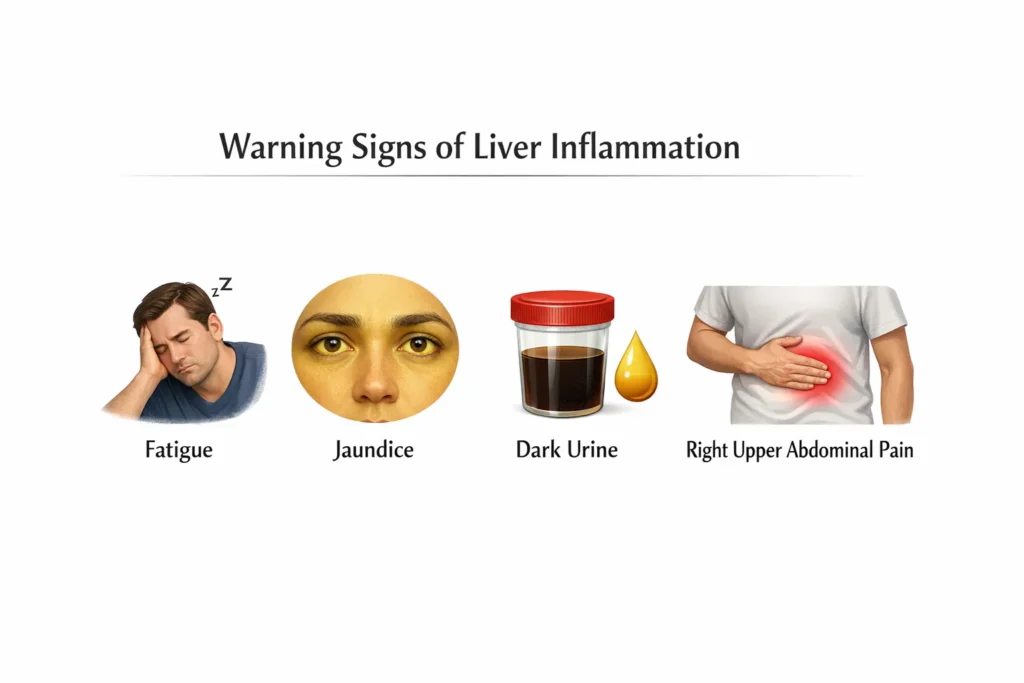
Many people with elevated enzymes have no symptoms, especially when the rise is mild. Still, it is useful to know high sgot and sgpt levels symptoms that should not be ignored.
Possible high sgot and sgpt levels symptoms include:
- Unusual fatigue or weakness
- Poor appetite or nausea
- Dull discomfort on the right upper side of the abdomen
- Dark urine or pale stools
- Yellowing of the eyes or skin (jaundice)
- Itching without an obvious rash
If you have high sgot and sgpt levels symptoms plus fever, confusion, severe abdominal pain or jaundice, seek urgent medical care.
In Dubai’s fast-paced lifestyle, tiredness is often blamed on stress or poor sleep, but persistent fatigue with abnormal SGOT and SGPT deserves a medical review.
Danger level of SGPT and SGOT: when is it serious?
Patients often search for the danger level of sgpt and sgot but there is no single “danger number” for everyone. Clinicians judge risk based on the degree of elevation, other blood results and your symptoms.
As a practical rule used in many settings:
- Mild elevations (often less than 2 to 3 times the upper limit) are commonly monitored and investigated thoughtfully.
- Moderate elevations (often 3 to 10 times the upper limit) usually prompt more active evaluation.
- Marked elevations (often more than 10 times the upper limit) can be urgent depending on the clinical picture.
If you are worried about the danger level of sgpt and sgot, do not focus only on the enzyme number. A small enzyme rise plus high bilirubin can be more urgent than a larger enzyme rise with otherwise normal tests.
Also remember that the danger level of sgpt and sgot can change based on pregnancy, underlying liver disease, immune suppression or other medical conditions.
Practical tips before and after your SGOT and SGPT test
Before the blood test
- Ask if you need fasting. SGOT and SGPT alone usually do not require fasting but many panels are taken together.
- Avoid alcohol for at least 48 to 72 hours if possible.
- Avoid unusually intense workouts the day before since muscle stress can increase AST.
- Bring a list of medicines and supplements including herbal products.
After you get results
- Recheck the exact units and your lab’s sgot and sgpt range.
- Note any recent illness, new medication, weight changes or heavy exercise.
- If sgot and sgpt high appears on a single report, your clinician may repeat tests in a few weeks to confirm the trend.
Where to discuss abnormal liver tests in Dubai
If you need a clinician to interpret SGOT and SGPT with your full history, you can start with a primary care review. At Ascent ENT Speciality Centre patients can access broader medical support alongside specialty care.
A good first step is understanding what a GP does and when to see one. This guide on what is a general medical practitioner explains the role clearly.
If you want a structured assessment, booking with a General practitioner can help you review enzyme patterns, symptoms, medication history and next investigations.
For people planning preventive screening, packages can support early detection of health risks that often link to liver enzyme changes such as metabolic conditions.
If your symptoms include throat reflux, snoring-related fatigue or ENT issues alongside general health concerns, you can also coordinate care through Ascent ENT Dubai at an ENT Clinic in Dubai for integrated support.
Conclusion
SGOT and SGPT are helpful blood markers that can signal liver irritation, inflammation or injury, but they must be interpreted with your symptoms, your medical history and your lab’s reference limits. Knowing the sgot and sgpt range, recognizing when sgot and sgpt high patterns may need follow-up and watching for high sgot and sgpt levels symptoms can help you act at the right time.
If you have concerns about your results or you want a professional review of the possible causes of high sgpt and sgot including guidance on the potential danger level of sgpt and sgot, book a medical consultation. contact us to schedule an appointment at Ascent ENT Speciality Centre in Dubai.