

















Your Trusted ENT Specialists
for Complete Ear, Nose & Throat Care.

Programmable & Digital Hearing Aids

Anterior Skull Base Surgery

Comprehensive ENT Under One Roof

Experienced & Expert ENT Surgeons

Advanced Technology & Modern Facilities

Trusted by Local & International Patients

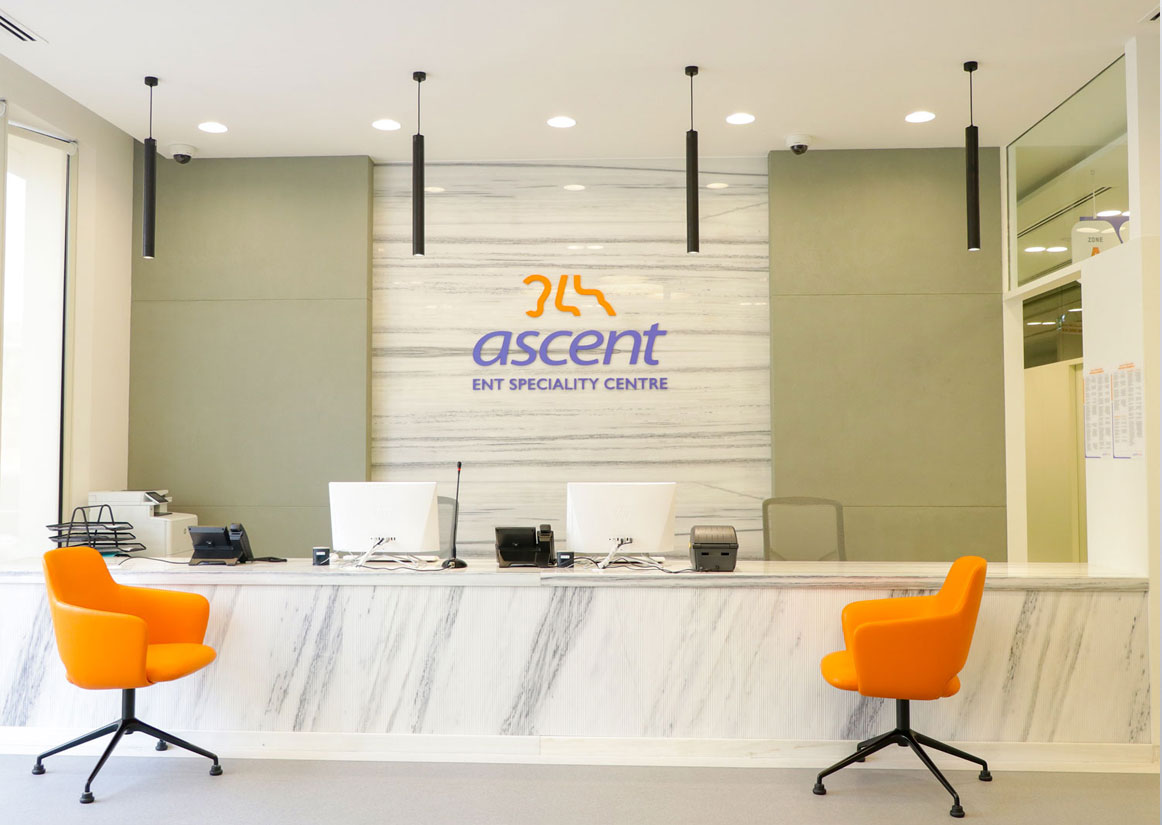
ENT Speciality centre in Bur Dubai, Dubai
Ascent ENT Speciality Centre, Dubai is the brainchild of our founding Chairman & Managing Director Dr. Sarafudeen P.K.
It is designed to be a unique destination for comprehensive Medical and Surgical care for Ear, Nose, Throat, and Head & Neck disorders and shall be the first project of the Ascent group of ENT Speciality centres in UAE.
The Ascent ENT Speciality centre began its operations in Kerala, India in 2014. Today Ascent ENT Speciality centre Group has reached multiple locations in its home state, catering to multitudes. Our Minimally invasive approaches help patients for a faster recovery. Our panel includes some of the ENT surgeons in India.
Our successful track records make us one of the leading ENT Speciality centre in India. Ascent ENT Clinic Dubai has also been a desired destination for many international patients, especially from the Middle East, seeking specialized ENT Care in India. Over the years, we have actively made positive changes based on our patient feedback to make our services more safe and compliant to patient needs. We emphasize building strong trust between all stakeholders, enabling informed and shared decision-making resulting in better patient experiences. In India, The Ascent ENT Clinic Dubai ,the ENT Speciality centre in dubai is a key partner in many government projects in India as part of its CSR initiatives bringing quality ENT care to all sections of society.
More About Us Expert ENT, GP services with
personalized attention for every family member.
Every patient approaching us brings in a unique opportunity for us to compassionately engage with him/her, to arrive at an accurate diagnosis through a holistic approach. Backed by an adequate, internationally accepted protocol-based treatment plan for various ailments, we ensure to provide highly reliable recovery and rehabilitation programs complimenting a safe and comfortable patient experience.
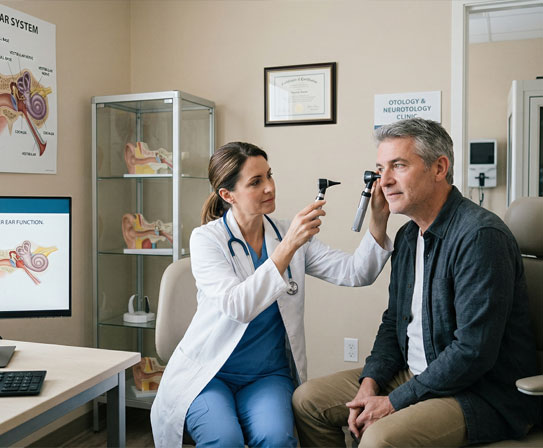














Specialized ENT Treatment Packages
Explore our specialised care packages designed to provide comprehensive diagnosis and treatment for common ENT conditions.
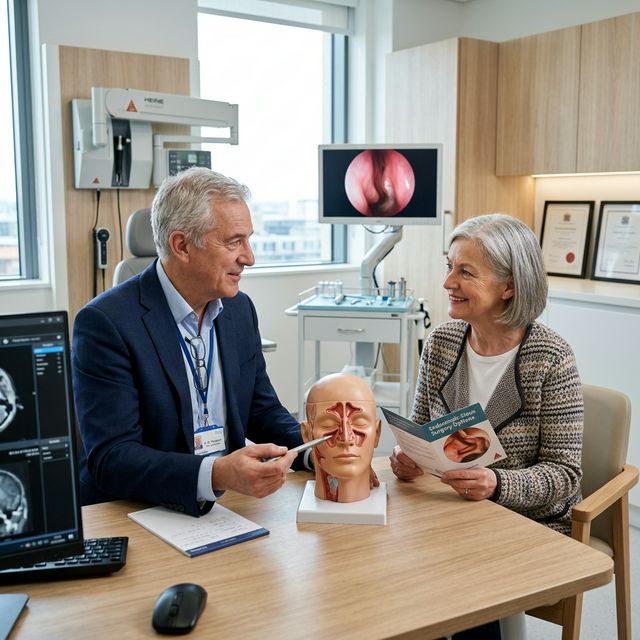
Second Opinion Package
Get a professional second opinion from our expert ENT specialists. Includes full consultation, review of existing reports, and personalized treatment recommendations.
- Specialist Consultation
- Medical Report Review
- Treatment Recommendations
- Follow-up Advice

Adenoid Assessment
Comprehensive adenoid evaluation for children and adults. Early diagnosis and management to prevent complications and improve quality of life.
- ENT Examination
- Endoscopic Assessment
- Hearing Screening
- Treatment Planning

Snoring & Sleep Study
Thorough evaluation of snoring and sleep-related breathing disorders. Our experts diagnose and treat conditions affecting your sleep quality.
- Sleep Consultation
- Overnight Sleep Study
- Nasal Assessment
- Customized Treatment Plan

Allergy Testing Package
Complete allergy testing and immunotherapy planning for ENT-related allergies. Identify triggers and receive a targeted management program.
- Skin Prick Test
- Blood Allergy Panel
- Allergen Identification
- Immunotherapy Planning
Meet Our Doctors
Expert ENT specialists dedicated to your better hearing, breathing, and voice health.
View All




What Our Patients Say


Visited for an ear infection and had a really smooth experience. The whole process was quick and well-organized, and the staff were very responsive and helpful. The doctor did a quick test, explained things clearly, and prescribed medication that worked well. Highly recommended!
Chintan Sareen
Had a great experience with Dr. Shinju during my hearing check today. She took the time to explain everything in detail and answered all my questions patiently. She also gave practical advice, including dos and don’ts, to help improve my hearing. Very supportive, knowledgeable, and approachable doctor. Highly recommended!
Thoufeeq P M
My husband was the patient at Ascent ENT Specialty Center in Burjuman Branch and from the moment we walked in, the receptionist made us feel very welcome. She was warm, friendly, and highly professional. She handled the check-in process smoothly and efficiently, and she patiently answered all of our questions. As someone accompanying my husband, I truly appreciated how kind and helpful she was to both of us. Her positive attitude and excellent customer service made the entire visit feel comfortable and stress-free. Thank you for making our experience such a pleasant one!
Maria Cecilia Roda
Very positive experience at Ascent Clinic. We consulted Dr. Shiju from the Audiology department for my wife’s ear balance issue, and the care and attention we received were excellent. Dr. Shiju was very patient, thorough in the evaluation, and clearly explained the possible causes and next steps. Al though the experience with Dr. Ranjith was so helpful, Overall, the staff was professional, and the clinic environment was clean and well-organized. Highly recommended for anyone facing ENT or balance-related concerns.
Shamil Hazain
I had a great experience! The staff was extremely professional and kind, and they solved my ear problem quickly and efficiently. The clinic is spotless, well-organized, and welcoming you can really feel the attention to detail and care for patients. Compliments to the whole team for their professionalism and kindness. Highly recommended!
Ana Brahimaj
From the moment we arrived at the clinic, everyone, from the receptionist to the nurses made us feel well cared for. I want to give a special mention to Dr. Ranjith, he is amazing. As I sat in the chair to have my impacted wax removed, he provided constant reassurance that everything would be okay. He performed the procedure smoothly and successfully. I highly recommend him! We will definitely be back!!! though hopefully not for my ears next time!! and we will certainly refer any friends with similar issues. And the service is very affordable!! Thank you so much and Godspeed!.
Maria Jessica Cane Silva
News & Events
March 15, 2026
Ascent Hospital Launches Advanced Hearing Center in Dubai
March 10, 2026
Free ENT Screening Camp for Children This Weekend

February 28, 2026
Dr. Sarafudeen PK Honored for Excellence in Otology
Blogs

Nov 13, 2024
Understanding Adenoids in kids :Importance of children’s Health
Adenoids are small tissues located high up in the back of the throat, behind the nose. They play a crucial role in a child's immune system...

Aug 30, 2024
Finding the Best Head and Neck Doctors in Dubai A Guide to Expert Care
When it comes to head and neck health, finding the right specialist is paramount. Dubai offers world-class medical facilities and experts...

Frequently asked questions
An ENT doctor, or otolaryngologist, is a medical specialist who focuses on diagnosing and treating disorders related to the ears, nose, and throat, as well as related structures of the head and neck. This includes conditions such as hearing loss, sinusitis, tonsillitis, vocal cord disorders, and sleep apnea, among others. ENT doctors receive specialized training in both medical and surgical management of these conditions. They often work closely with other medical professionals such as audiologists, speech-language pathologists, and allergists to provide comprehensive care to their patients.
The diagnostic process for an ENT condition will depend on the specific symptoms and concerns you are experiencing. In general, an ENT doctor will begin by taking a detailed medical history, asking about your symptoms, and performing a physical examination of the ears, nose, throat, and related structures. They may also use specialized equipment, such as an endoscope or microscope, to examine your ear canal, nasal passages, or throat in more detail.
Depending on your symptoms and examination findings, the ENT doctor may also order additional tests or imaging studies to help with the diagnosis. These may include:
Hearing tests (audiometry) to evaluate hearing loss or other auditory problems
Allergy testing to identify potential allergens that may be contributing to your symptoms
Imaging studies such as CT scans, MRIs, or X-rays to look for structural abnormalities or tumors in the head and neck area
Endoscopy, which involves using a flexible or rigid scope to examine the inside of your nose, throat, or airways in more detail
Biopsy, which involves taking a small sample of tissue to examine under a microscope for signs of cancer or other abnormalities.
Once a diagnosis has been made, the ENT doctor will work with you to develop an individualized treatment plan based on your specific needs and concerns.
An ENT doctor treats a wide range of conditions related to the ears, nose, and throat, as well as the structures of the head and neck. Some of the most common conditions treated by ENT doctors include:
Ear infections and hearing loss
Tinnitus (ringing in the ears)
Sinusitis (sinus infections)
Allergies and allergic rhinitis (hay fever)
Deviated septum (crooked nasal septum)
Nasal polyps (growths inside the nose)
Sore throat and tonsillitis (inflammation of the tonsils)
Hoarseness and other voice disorders
Sleep apnea (disordered breathing during sleep)
Head and neck tumors
Dizziness and balance disorders
Bottom of Form
When should I see an ENT doctor?
You should consider seeing an ENT doctor if you are experiencing any symptoms or issues related to your ears, nose, or throat, or if you have any concerns about your head and neck health. Some specific signs or symptoms that may indicate a need to see an ENT doctor include:
Persistent or recurrent ear infections, hearing loss, or ringing in the ears (tinnitus)
Chronic or recurrent sinus infections, nasal congestion, or difficulty breathing through the nose
Persistent or recurring sore throat, hoarseness, or other voice changes
Swelling or lumps in the neck, throat, or salivary glands
Difficulty swallowing or pain when swallowing
Vertigo, dizziness, or balance problems
Sleep apnea, snoring, or other breathing problems during sleep
Chronic cough or postnasal drip
Allergies that are not well managed with over-the-counter medications
A family history of head and neck cancer or other hereditary conditions.
If you are experiencing any of these symptoms or concerns, it is important to see an ENT doctor for a thorough evaluation and appropriate treatment.
There are many different procedures that an ENT doctor may perform, depending on the specific condition being treated. Here are some common ENT procedures:
Tonsillectomy: This surgical procedure involves the removal of the tonsils, which may be necessary if a person has recurrent tonsillitis, obstructive sleep apnea, or other related conditions.
Adenoidectomy: This surgical procedure involves the removal of the adenoids, which are located at the back of the nasal cavity. Adenoidectomy may be recommended for recurrent infections, sleep apnea, or other related conditions.
Sinus surgery: Endoscopic sinus surgery is a minimally invasive procedure that is used to treat chronic sinusitis by removing blockages in the nasal passages and sinuses.
Septoplasty: This surgical procedure is used to correct a deviated septum, which can cause breathing problems, snoring, and other issues.
Myringotomy: This procedure involves placing small tubes in the ears to help drain fluid and prevent infections in people with chronic ear infections or other related conditions.
Laryngoscopy: This procedure is used to examine the larynx (voice box) for abnormalities, such as nodules, polyps, or tumors.
Tympanoplasty: Tympanoplasty is a surgical procedure that repairs a perforated or damaged eardrum. It involves grafting a small piece of tissue onto the eardrum to restore its integrity and improve hearing.
Cochlear implant surgery: This procedure involves implanting a device in the inner ear to help people with severe hearing loss regain some degree of hearing.
These are just a few examples of common ENT procedures. The specific procedure recommended for you will depend on your individual needs and the specific condition being treated.
The recovery time after an ENT procedure can vary depending on the type of procedure and the individual patient. In general, minimally invasive procedures such as endoscopic sinus surgery or ear tube placement may have a shorter recovery time than more complex procedures such as tonsillectomy or cochlear implant surgery.
After any ENT procedure, it is important to follow your doctor’s instructions for postoperative care to ensure a smooth recovery. You may be prescribed pain medication or antibiotics, and you may need to rest and avoid certain activities for a period of time.
